카테고리 없음
AI Pets: The Future of Companionship and Interaction
Next Mind
2024. 10. 17. 19:38
반응형
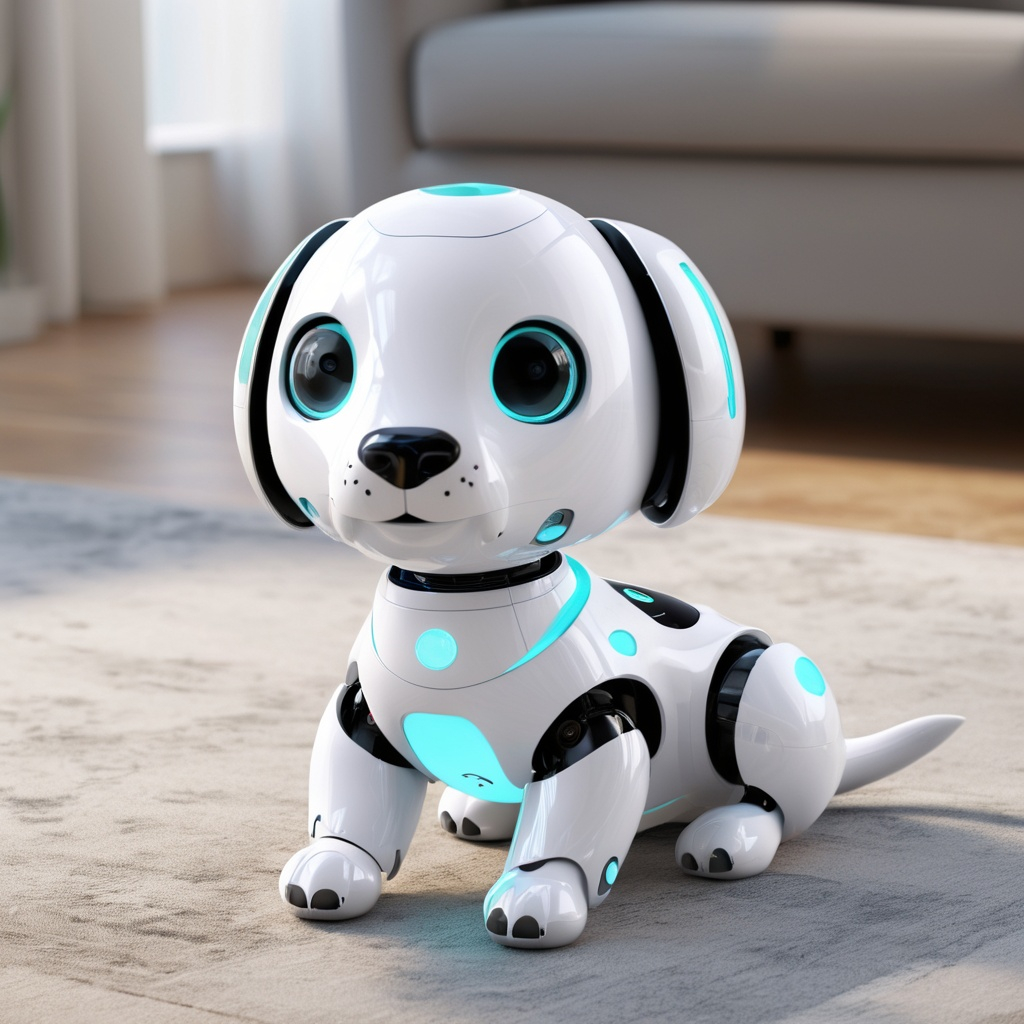
While, on one hand, new technologies keep developing one after another, on the other hand, our attitude toward our pets does as well. While traditional pets have been favored companions for centuries, the growth of artificial intelligence has opened new ways to achieve companionship, interaction, and entertainment. AI pets are beacons of a shifting definition of what it means to have a pet in today's world, from robot forms to virtual companions or even intelligent devices. In this article, we will give an overview of what AI pets are, the different forms they take, their benefits, challenges, and how they will revolutionize the way we connect with animals.
1. Understanding AI Pets
AI pets can be defined as artificial companions integrated with technologies of artificial intelligence, interacting with humans just like real pets would. Examples entail robotic pets, virtual pets, smart devices designed to mimic behaviors and interactions between real pets and human beings. Prima facie evidence for such AI pets includes the following:
Robotic Pets: These can be physical robots programmed to emulate the behaviors of typical conventional pets. To this end, they are capable of reacting to touch, sound, and motion, thereby enhancing the experience to be as realistic as possible for the user. Noticeable examples include Sony's Aibo Robotic Dog and the WowWee CHiP Robot Dog.
Virtual Pets: These are the pets that live online, mainly in mobile applications or games. They can be fed, played with, and taken care of by users. Examples include Tamagotchi and mobile apps like My Talking Tom.
Smart devices include smart speakers and home assistants that can play the role of pets through voice recognition and response. They can play games, tell jokes, and even converse with the user by mimicking traditional pet companionship.
a. The Allure of AI Pets
The following reasons explain why AI pets are fast gaining popularity:
Companionship: AI pets create the avenue for people to have companionship if it would be impossible to care for an ordinary pet due to one's allergies, living condition, or time. They offer companionship and emotional support without the requirements associated with real-life animals.
Interactivity: The incorporation of voice recognition, touch sensors, and movement makes AI pets interactive. This helps give a sense of contact and involvement with such pets as their use becomes entertaining.
Personalization: Most virtual pets enable their owners to personalize their experiences. Owners can select the appearance, behavior, and personality traits of their pets, thus creating a special bond between themselves and their AI partner.
Educational Value: Artificially intelligent pets can also serve as learning tools. For children especially, the concepts of responsibility, empathy, and social interaction can be developed through engaging games and a caretaking routine.
2. Benefits of AI Pets
a. Companionship and Mental Health
AI pets will always keep a person company in case of loneliness or isolation. Various studies have shown that interaction with real or artificial pets decreases the feelings of loneliness, anxiety, and depression. For those people who cannot take care of a living pet due to health-related issues, financial constraints, or even lifestyle factors, AI pets provide comfort and emotional support.
AI pets can even help people with serious mental disorders. For example, some therapeutic AI pets can be used to provide elderly people with companionship, reducing these individuals' loneliness and depression. Those interactions will improve the overall well-being of people that might not have been able to enjoy the company of a real pet.
b. Educational Opportunities
AI pets can also serve as learning tools for kids: they can teach kids responsibility, empathy, and social skills through interactive means. Children learn responsible ways of caring for their virtual or robotic pets through feeding them, playing with them, and managing their needs.
Apart from that, AI pets can be programmed to provide educational content in the forms of lessons on animal behavior, biology, and environmental conservation. This playful mode of learning can give one more insight into the natural world and a sense of responsibility toward living creatures.
c. Accessibility and Inclusion
AI pets can be quite inclusive for those who may not be in the position to take care of a real pet. For example, AI pets are forms of companionship for those with allergies, some sort of mobility issue, or those in housing that may ban pets without the associated challenges with actual ownership.
It also allows AI pets to provide company for children with autism or some other form of developmental disorder. In most cases, such children may feel more comfortable reaching out to a non-judgmental and programmable companion who responds to their needs in a certain pre-set fashion.
d. Reduced Responsibility and Maintenance
One of the major advantages of AI pets is that they require a lot less maintenance than regular pets. While real pets need food, grooming, exercise, and medical care, AI pets can function without these needs. Especially this will appeal to a professional who may be very busy, students, or elderly people who might not have the time or strength to take care of a living animal.
Since AI pets don't produce waste, and many are designed to be low maintenance as far as cleaning and upkeep, one could enjoy the companionship of a pet-like experience without the responsibilities.
3. Challenges of AI Pets
a. Emotional Connection
While AI pets can simulate companionship, attachment may be difficult to attach to a robotic or virtual pet. They do not hold real emotions or consciousness like living animals do; hence, the feeling developed by users for them is somewhat shallow.
Without the biological and emotional connection, the satisfaction that one believes comes along with owning an AI pet may not be experienced. While the technology moves forward, developers attempt to create advanced AI capable of emulating emotional responses; however, such systems fall far short of any true emotional connection.
b. Ethical Considerations
AI pets are also presented with a number of ethical issues in the way they are developed and made use of. There is a fear that AI pets will replace real animals and lower the adoption and ownership of traditional pets. The fear is that people will resort to AI companions instead of real pets, which may affect animal welfare and the importance of tending to a living thing.
The second case is that the developers have to responsibly design AI pets with consideration of user privacy and data security. Since AI pets will accumulate information related to users' interaction and preferences, there is serious need to ensure that security approaches shall be implemented to protect users' data.
c. Dependency and Detachment
Another negative side of the coin with AI pets is dependence and detachment from reality. People might get too dependent on their AI pets for social interactions and emotional support, detaching them from relationships in real life.
A balance is important in interacting with AI pets and nurturing the real-life relationship. While artificial pets come with several benefits added, they shall not replace real human contact.
4. The Future of AI Pets
Considering that technology will keep improving, the future of artificial pets is considered bright. Some of the trends likely to shape the future in the development of artificial pets include:
a. Improved Interactivity
With new developments in natural language processing, machine learning, and robotics, future AI pets will be much more interactive. The AI pet will be able to understand and respond to higher levels of commands and emotions, thus looking and being more natural and entertaining.
The amazing things that these AI pets can do include recognition of individual users and modification of the behavior of the AI, based on user preference and interaction with it. Such features for personalizing an AI will make a user's pet more interactive and personalized to the user, hence creating a better bond between the user and his AI companion.
b. Integration with Smart Home Technology
What also can be expected is a good level of integration with smart home technologies, meaning that the living space will become even more connected and interactive. Users of AI pets will be able to control these using voice, thus connecting them to the smart home ecosystem.
Moreover, it could also help to monitor household activities with the use of an AI-powered companion robot and keep the users companionate while they are busy in any other work. For example, it is easy to notify the user of something important or remind you for medicine, or even sitting comfortably with you while you work for long hours.
c. Virtual Reality and Augmented Reality
In the future, AI pets will become immersive with VR and AR integrations. Users will be able to interact with their AI pets through a VR headset or AR application set in dynamic environments that enhance presence and connection to them.
This can also let users create unique experiences, such as playing with virtual pets in parks to futuristic landscapes, making interactions more fun and interesting.
d. Therapeutic Applications
The future of AI pets also holds promise in therapeutic applications, be it in the field of mental health or elder care. AI companions can assist individuals with anxiety disorders, depression, or loneliness by being comforting with the help of interactive conversations and activities.
AI pets can be incorporated into the treatment plan by healthcare providers and used as tools for better communication and emotional support with patients. This would perhaps work in cases where patients have problems that inhibit them from opening up or simply relating to others.
5. Conclusion
AI pets will revolutionize the meaning of companionship as they open up new avenues for people to connect with, interact with, and feel happy. Be it robotic companions or virtual pets, such innovative technologies revolutionize interaction with animals, making our lives better in diverse ways.
With AI pets, there are emotional, ethical, and dependency issues that come along with the benefits of companionship, accessibility, and reduced responsibility. Thus, sensitive thoughtfulness is required to push through the challenges posed by continuous technological advancement, assuring that AI pets enhance and do not replace the value of real-life relationships.
Contemplating the future, the potential of AI pets changing and bringing further joy to our lives is great. We can have a future wherein companionship-human and artificial-nurtures our well-being and encourages a sense of community if we will embrace the power of AI while continuing to connect us with the natural world. Though AI pets will not replace traditional pets, they are a special, new way to experience companionship in an increasingly digital world.
1. Understanding AI Pets
AI pets can be defined as artificial companions integrated with technologies of artificial intelligence, interacting with humans just like real pets would. Examples entail robotic pets, virtual pets, smart devices designed to mimic behaviors and interactions between real pets and human beings. Prima facie evidence for such AI pets includes the following:
Robotic Pets: These can be physical robots programmed to emulate the behaviors of typical conventional pets. To this end, they are capable of reacting to touch, sound, and motion, thereby enhancing the experience to be as realistic as possible for the user. Noticeable examples include Sony's Aibo Robotic Dog and the WowWee CHiP Robot Dog.
Virtual Pets: These are the pets that live online, mainly in mobile applications or games. They can be fed, played with, and taken care of by users. Examples include Tamagotchi and mobile apps like My Talking Tom.
Smart devices include smart speakers and home assistants that can play the role of pets through voice recognition and response. They can play games, tell jokes, and even converse with the user by mimicking traditional pet companionship.
a. The Allure of AI Pets
The following reasons explain why AI pets are fast gaining popularity:
Companionship: AI pets create the avenue for people to have companionship if it would be impossible to care for an ordinary pet due to one's allergies, living condition, or time. They offer companionship and emotional support without the requirements associated with real-life animals.
Interactivity: The incorporation of voice recognition, touch sensors, and movement makes AI pets interactive. This helps give a sense of contact and involvement with such pets as their use becomes entertaining.
Personalization: Most virtual pets enable their owners to personalize their experiences. Owners can select the appearance, behavior, and personality traits of their pets, thus creating a special bond between themselves and their AI partner.
Educational Value: Artificially intelligent pets can also serve as learning tools. For children especially, the concepts of responsibility, empathy, and social interaction can be developed through engaging games and a caretaking routine.
2. Benefits of AI Pets
a. Companionship and Mental Health
AI pets will always keep a person company in case of loneliness or isolation. Various studies have shown that interaction with real or artificial pets decreases the feelings of loneliness, anxiety, and depression. For those people who cannot take care of a living pet due to health-related issues, financial constraints, or even lifestyle factors, AI pets provide comfort and emotional support.
AI pets can even help people with serious mental disorders. For example, some therapeutic AI pets can be used to provide elderly people with companionship, reducing these individuals' loneliness and depression. Those interactions will improve the overall well-being of people that might not have been able to enjoy the company of a real pet.
b. Educational Opportunities
AI pets can also serve as learning tools for kids: they can teach kids responsibility, empathy, and social skills through interactive means. Children learn responsible ways of caring for their virtual or robotic pets through feeding them, playing with them, and managing their needs.
Apart from that, AI pets can be programmed to provide educational content in the forms of lessons on animal behavior, biology, and environmental conservation. This playful mode of learning can give one more insight into the natural world and a sense of responsibility toward living creatures.
c. Accessibility and Inclusion
AI pets can be quite inclusive for those who may not be in the position to take care of a real pet. For example, AI pets are forms of companionship for those with allergies, some sort of mobility issue, or those in housing that may ban pets without the associated challenges with actual ownership.
It also allows AI pets to provide company for children with autism or some other form of developmental disorder. In most cases, such children may feel more comfortable reaching out to a non-judgmental and programmable companion who responds to their needs in a certain pre-set fashion.
d. Reduced Responsibility and Maintenance
One of the major advantages of AI pets is that they require a lot less maintenance than regular pets. While real pets need food, grooming, exercise, and medical care, AI pets can function without these needs. Especially this will appeal to a professional who may be very busy, students, or elderly people who might not have the time or strength to take care of a living animal.
Since AI pets don't produce waste, and many are designed to be low maintenance as far as cleaning and upkeep, one could enjoy the companionship of a pet-like experience without the responsibilities.
3. Challenges of AI Pets
a. Emotional Connection
While AI pets can simulate companionship, attachment may be difficult to attach to a robotic or virtual pet. They do not hold real emotions or consciousness like living animals do; hence, the feeling developed by users for them is somewhat shallow.
Without the biological and emotional connection, the satisfaction that one believes comes along with owning an AI pet may not be experienced. While the technology moves forward, developers attempt to create advanced AI capable of emulating emotional responses; however, such systems fall far short of any true emotional connection.
b. Ethical Considerations
AI pets are also presented with a number of ethical issues in the way they are developed and made use of. There is a fear that AI pets will replace real animals and lower the adoption and ownership of traditional pets. The fear is that people will resort to AI companions instead of real pets, which may affect animal welfare and the importance of tending to a living thing.
The second case is that the developers have to responsibly design AI pets with consideration of user privacy and data security. Since AI pets will accumulate information related to users' interaction and preferences, there is serious need to ensure that security approaches shall be implemented to protect users' data.
c. Dependency and Detachment
Another negative side of the coin with AI pets is dependence and detachment from reality. People might get too dependent on their AI pets for social interactions and emotional support, detaching them from relationships in real life.
A balance is important in interacting with AI pets and nurturing the real-life relationship. While artificial pets come with several benefits added, they shall not replace real human contact.
4. The Future of AI Pets
Considering that technology will keep improving, the future of artificial pets is considered bright. Some of the trends likely to shape the future in the development of artificial pets include:
a. Improved Interactivity
With new developments in natural language processing, machine learning, and robotics, future AI pets will be much more interactive. The AI pet will be able to understand and respond to higher levels of commands and emotions, thus looking and being more natural and entertaining.
The amazing things that these AI pets can do include recognition of individual users and modification of the behavior of the AI, based on user preference and interaction with it. Such features for personalizing an AI will make a user's pet more interactive and personalized to the user, hence creating a better bond between the user and his AI companion.
b. Integration with Smart Home Technology
What also can be expected is a good level of integration with smart home technologies, meaning that the living space will become even more connected and interactive. Users of AI pets will be able to control these using voice, thus connecting them to the smart home ecosystem.
Moreover, it could also help to monitor household activities with the use of an AI-powered companion robot and keep the users companionate while they are busy in any other work. For example, it is easy to notify the user of something important or remind you for medicine, or even sitting comfortably with you while you work for long hours.
c. Virtual Reality and Augmented Reality
In the future, AI pets will become immersive with VR and AR integrations. Users will be able to interact with their AI pets through a VR headset or AR application set in dynamic environments that enhance presence and connection to them.
This can also let users create unique experiences, such as playing with virtual pets in parks to futuristic landscapes, making interactions more fun and interesting.
d. Therapeutic Applications
The future of AI pets also holds promise in therapeutic applications, be it in the field of mental health or elder care. AI companions can assist individuals with anxiety disorders, depression, or loneliness by being comforting with the help of interactive conversations and activities.
AI pets can be incorporated into the treatment plan by healthcare providers and used as tools for better communication and emotional support with patients. This would perhaps work in cases where patients have problems that inhibit them from opening up or simply relating to others.
5. Conclusion
AI pets will revolutionize the meaning of companionship as they open up new avenues for people to connect with, interact with, and feel happy. Be it robotic companions or virtual pets, such innovative technologies revolutionize interaction with animals, making our lives better in diverse ways.
With AI pets, there are emotional, ethical, and dependency issues that come along with the benefits of companionship, accessibility, and reduced responsibility. Thus, sensitive thoughtfulness is required to push through the challenges posed by continuous technological advancement, assuring that AI pets enhance and do not replace the value of real-life relationships.
Contemplating the future, the potential of AI pets changing and bringing further joy to our lives is great. We can have a future wherein companionship-human and artificial-nurtures our well-being and encourages a sense of community if we will embrace the power of AI while continuing to connect us with the natural world. Though AI pets will not replace traditional pets, they are a special, new way to experience companionship in an increasingly digital world.
반응형